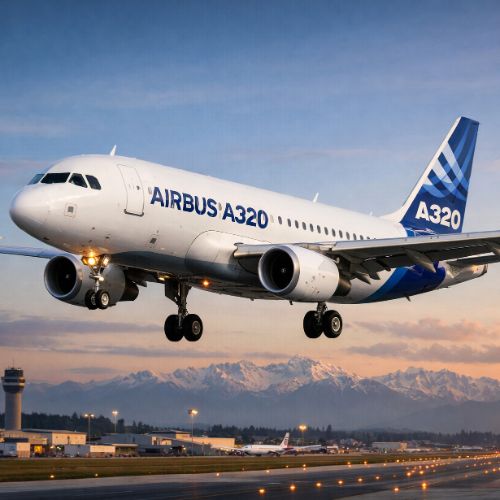
Airbus A320 Aircraft System Familiarisation

Airbus A320 Aircraft System Familiarisation

Who should attend

Newly joined technicians, maintenance planners, spare parts purchasers and students in aviation-related disciplines

ENGR5101
06/07/2026 – 08/07/2026 (3 days)
17/08/2026 – 19/08/2026 (3 days)
07/09/2026 – 09/09/2026 (3 days)
Cantonese with English Training Materials
HKD4,500 HKIAA
HKIAA Aircraft Engineering Training Centre (Located in China Aircraft Services Limited)
Airbus A320 Aircraft System Familiarisation

This 3-day entry-level course provides a practical and easy-to-understand introduction to A320 aircraft systems for personnel new to maintenance, planning, and technical support roles. The course builds foundational knowledge of how major aircraft systems of this aircraft operate, where key components are located, and how major aircraft zoning and technical terminology are used in daily operations. Participants will gain awareness of common reasons for components removal or replacement and develop the ability to interpret basic maintenance information, enabling more effective communication with engineering and maintenance teams and supporting informed decision-making across maintenance, planning and supply chain functions.

 

Course Content:


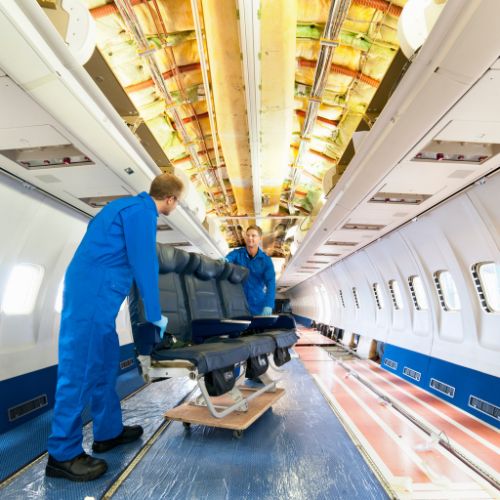
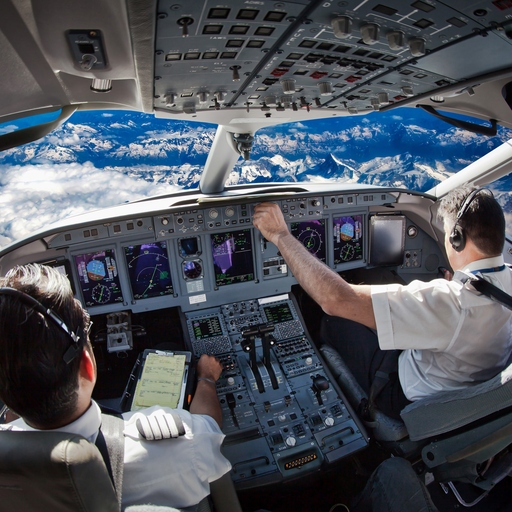
    • Overview of aircraft structural layout, zoning and location concepts (Aviation Abbreviations Glossary (STA), Waterline (WL), Blowing (BL)), cockpit layout, door systems and the “dark cockpit” philosophy
    • Basic operating principles of turbofan engines and the Auxiliary Power Unit (APU), identification of major components, thrust reverser concepts, and power/air supply roles
    • Introduction to the three-system hydraulic architecture, pumps and Power Transfer Unit (PTU), primary/secondary flight control surfaces, and fly-by-wire operating logic
    • Structure and operation of nose and main landing gear, retraction/ extension logic, braking and anti-skid principles, and nose wheel steering fundamentals
    • Fuel tank layout and fuel delivery logic, engine and APU fire detection system, and fire extinguishing principles
    • Bleed air sources and regulation, pack operation, airflow and cooling concepts, and common high-temperature fault scenarios
    • Electrical generation and distribution, basic avionics and communications overview, Electronic Centralised Aircraft Monitor (ECAM) indication logic, and introduction to maintenance manuals (AMM/IPC) with links to planning and procurement decision-making


Intended Learning Outcomes:

    • Describe the overall architecture and purpose of major A320 aircraft systems at a practical, non-engineering level
    • Recognise and correctly use common aircraft technical terminology, including ATA chapters and system/component names, when communicating with maintenance and engineering personnel
    • Identify the physical location of major aircraft components using aircraft zoning and location references
    • Explain basic operating principles of key aircraft systems (e.g. engines, hydraulics, flight controls, electrical, pneumatics) without detailed troubleshooting or calculations
    • Understand common reasons for component removal or replacement, such as faults, time-controlled limits, or reliability issues
    • Interpret maintenance information at an awareness level, including the role of Aircraft Maintenance Manual (AMM) and illustrated parts catalogue (IPC), to support planning, procurement, and operational decisions
    • Apply aircraft system knowledge to real-world work scenarios, linking technical events to maintenance, planning, and supply chain implications

Remarks


  • For enquiries or enrolment, please contact FTE@hkiaaacademy.com.
  • A minimum of 8 participants is required for the course to proceed.
  • Meeting Point: China Aircraft Services Limited – Main Gate
  • Transportation: From Tung Chung Station Bus Terminus, take Citybus Route S52 to the Aircraft Maintenance