







Instructor Insights: From Kai Tak Skies to Shaping Aviation’s Future
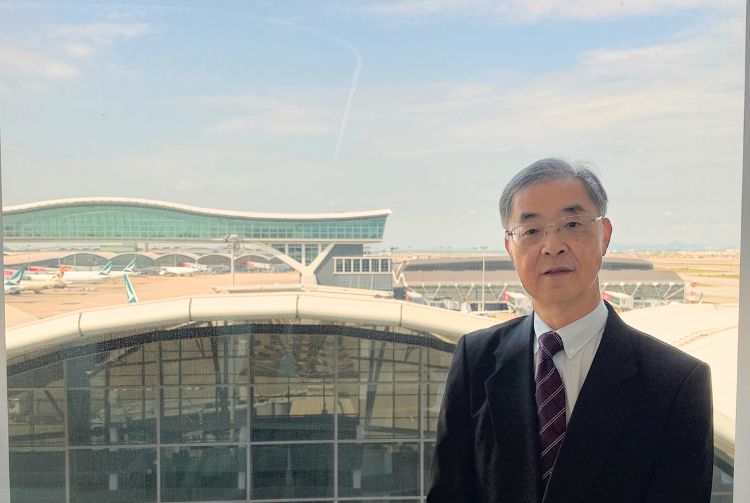
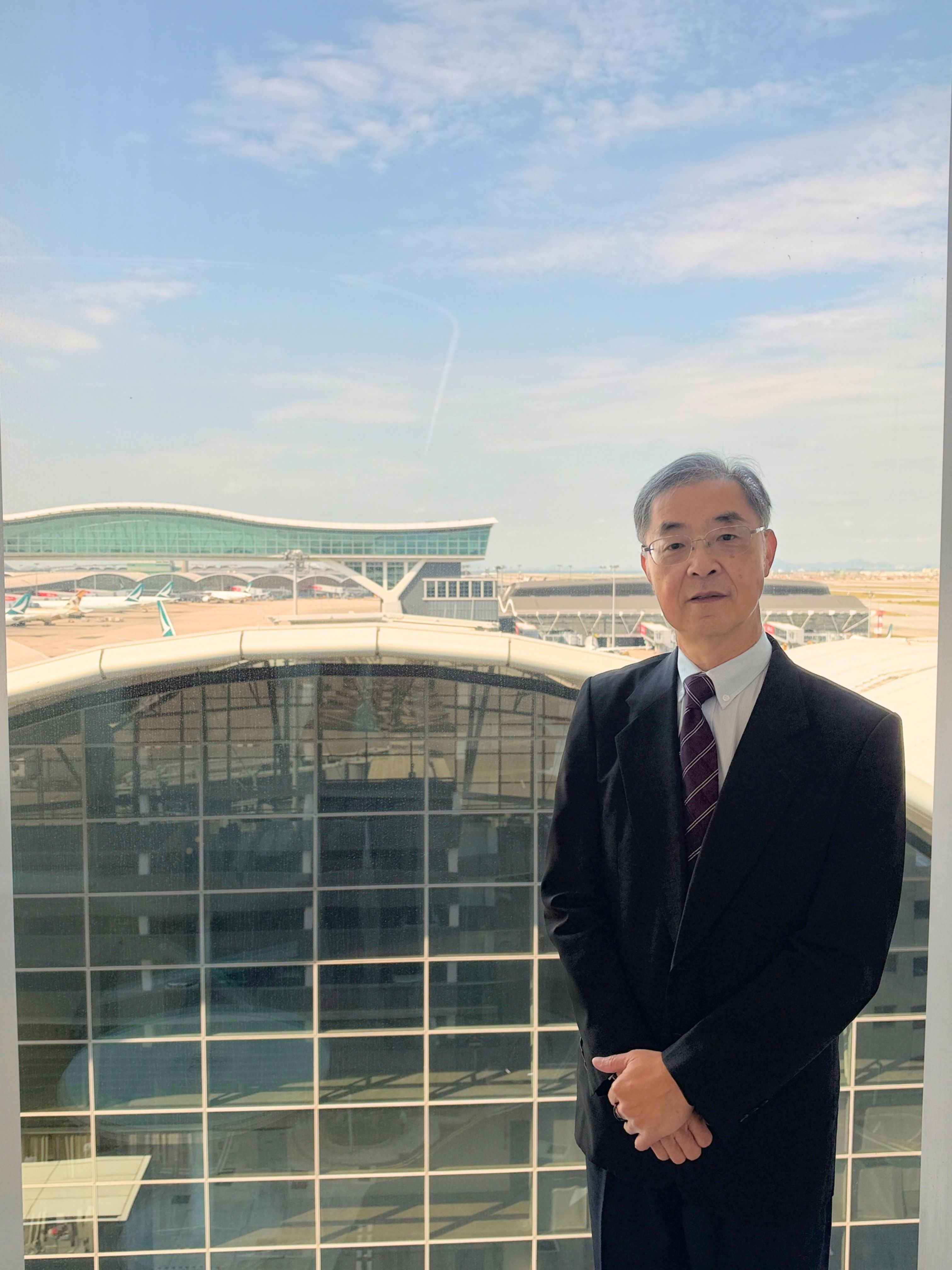
HKIAA’s Head of Aircraft Engineering Training Yuk Poon Tsang (YP) shares how he is helping learners develop the mindset that aviation safety demands.
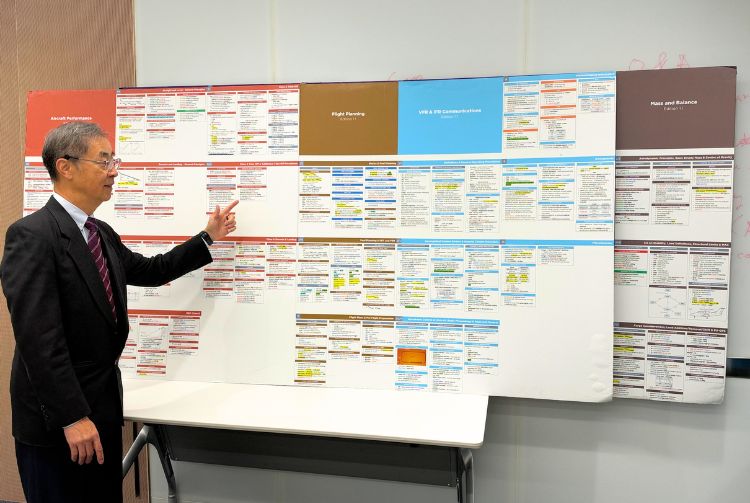
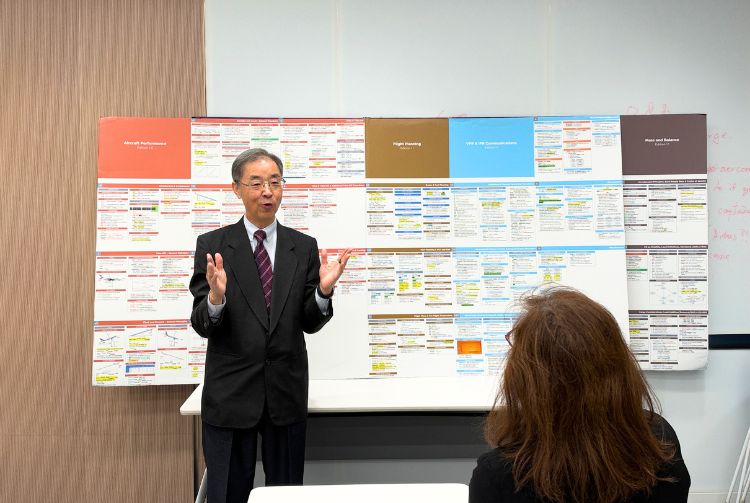
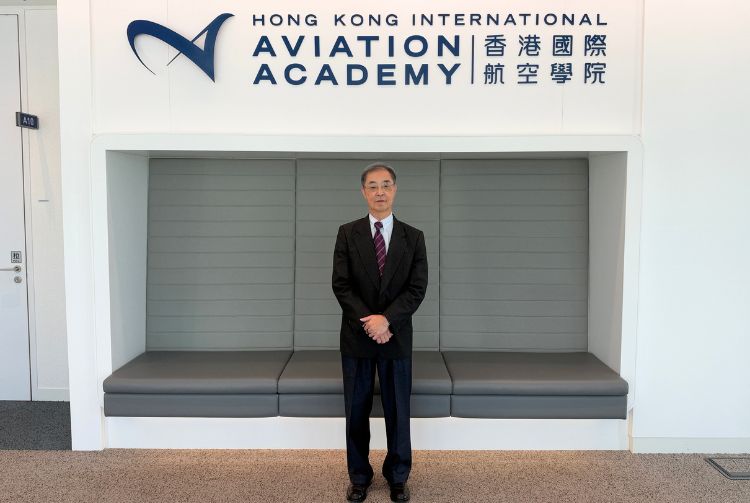
As Hong Kong International Aviation Academy’s (HKIAA) Head of Aircraft Engineering Training, YP leads the design and delivery of programmes in aircraft maintenance and engineering at the Aircraft Engineering Training Centre, launched in December 2025. He also teaches civil aviation regulations, quality audits, aviation safety management systems and aircraft maintenance practices to students at the HKIAA’s Flight Training & Engineering Training Centre. His lessons connect rules and theory, helping learners understand not only what a standard requires, but why it matters.
YP’s commitment now extends across the Greater Bay Area (GBA). In September 2026, he was elected vice-chair of the GBA Civil Aviation Maintenance Industry Alliance (the Alliance). The role builds on his earlier collaboration in the Hong Kong Civil Aviation Department (CAD) with the Civil Aviation Administration of China and the Civil Aviation Authority of the Macao Special Administrative Region. Together, the three authorities developed the Joint Maintenance Management and Joint Certification Management frameworks to support recognition of aircraft maintenance and certification standards across the regions. The Alliance provides YP an opportunity to contribute to regional development in a similarly practical, collaborative way.
During his term as vice-chair, YP hopes to advance the training of aircraft maintenance mechanics and engineers, encourage the application of new technologies to improve industry efficiency, and strengthen Alliance members’ working relationships. These priorities reflect his belief that the sector progresses fastest when regulators, companies, universities and training institutions work together, connecting education with operational needs and turning regional expertise into shared capability.
Long before he became Head of Aircraft Engineering Training, YP was a curious youngster in Kowloon City who liked taking things apart and then put them back together. With Kai Tak Airport nearby, aircraft roared overhead every day. Pilots, cabin crew and aircraft maintenance professionals were familiar faces in the neighbourhood. Those sights and sounds made aviation feel immediate, exciting and full of possibilities. “I always wanted to be an engineer,” he recalls. “All these gave me a strong impression that I had to work with aircraft one day.”
That early ambition led YP to the Hong Kong Aircraft Engineering Company (HAECO), where he built practical experience in aircraft maintenance and inspection before moving into technical services, structural repair design and quality assurance. The range of responsibilities gave him a clear understanding of how engineering decisions, maintenance standards and disciplined processes come together to keep every flight safe.
He later joined the CAD, serving in senior positions including Chief, Airworthiness Standards and Assistant Director-General of Civil Aviation (Flight Standards). His remit covered the approval of maintenance and design organisations, aircraft certification, maintenance licences, evaluation of air operators, and oversight of maintenance and training organisations. It was a career defined not only by technical mastery, but by sound judgement, public responsibility and an uncompromising focus on safety.
YP’s expertise is supported by strong academic foundations, with a Master of Science in Aerospace Vehicle Design from Cranfield Institute of Technology in the United Kingdom (UK), and qualifications in mechanical engineering from Hong Kong Polytechnic University. Scholarships from HAECO and Boeing also broadened his international exposure, including time focused on airworthiness. Together, these experiences enabled him to see aviation from multiple perspectives: the hangar floor, the design office, the regulator’s desk and the classroom.
When YP retired from CAD, he expected to enjoy a slower pace of life in the UK. For a while, retirement delivered exactly that. Yet after a few months, he began to miss the stimulation of meaningful work, the camaraderie of colleagues and the chance to apply knowledge built over 40+ years. The pandemic reinforced that sense of disconnection. Rather than leave his experience on the shelf, he decided to return to the industry and share it at HKIAA.
The training environment itself is very different from the one YP knew at the start of his career. Today’s aircraft are highly digital, increasingly reliable and supported by advanced diagnostic systems. Students can learn through resources that were once difficult to access, including the decommissioned A319 aircraft cabin section and A320 fixed-base simulators at HKIAA. For YP, these tools are not simply impressive facilities, they offer a more efficient and relevant way to prepare maintenance mechanics and engineers for modern operations.
Technology may transform how students learn and how aircraft are maintained, but one principle remains constant. “Aircraft engineers are responsible for the safety of the aircraft,” YP says. That responsibility shapes his approach to teaching. Technical competence must be matched by discipline, careful decision-making and the confidence to speak up when something is not right. By passing on both knowledge and professional values, he is helping learners develop the mindset that aviation safety demands.
From watching aircraft above Kai Tak to safeguarding airworthiness standards and now developing future talent, YP’s journey has come full circle. What keeps him engaged is the same curiosity that first drew him to engineering, combined with a determination to make his experience useful. At HKIAA and through the Alliance, he is doing more than recounting a distinguished career: he is translating decades of lessons into safer practices, stronger training and a more connected aviation community for the future.