








Aviation’s Next Chapter: From Safety to Sustainability - And Why Lifelong Learning Matters
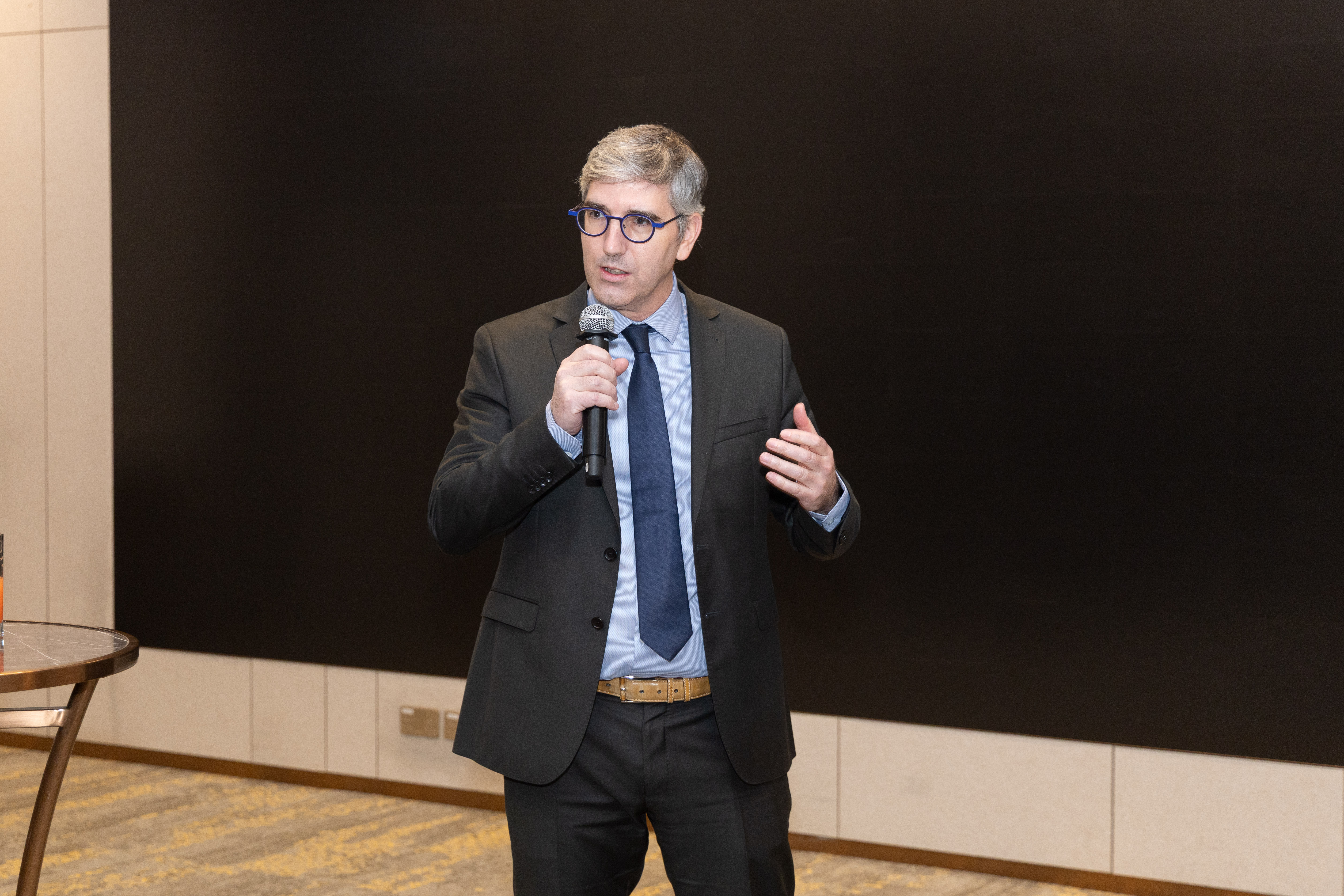
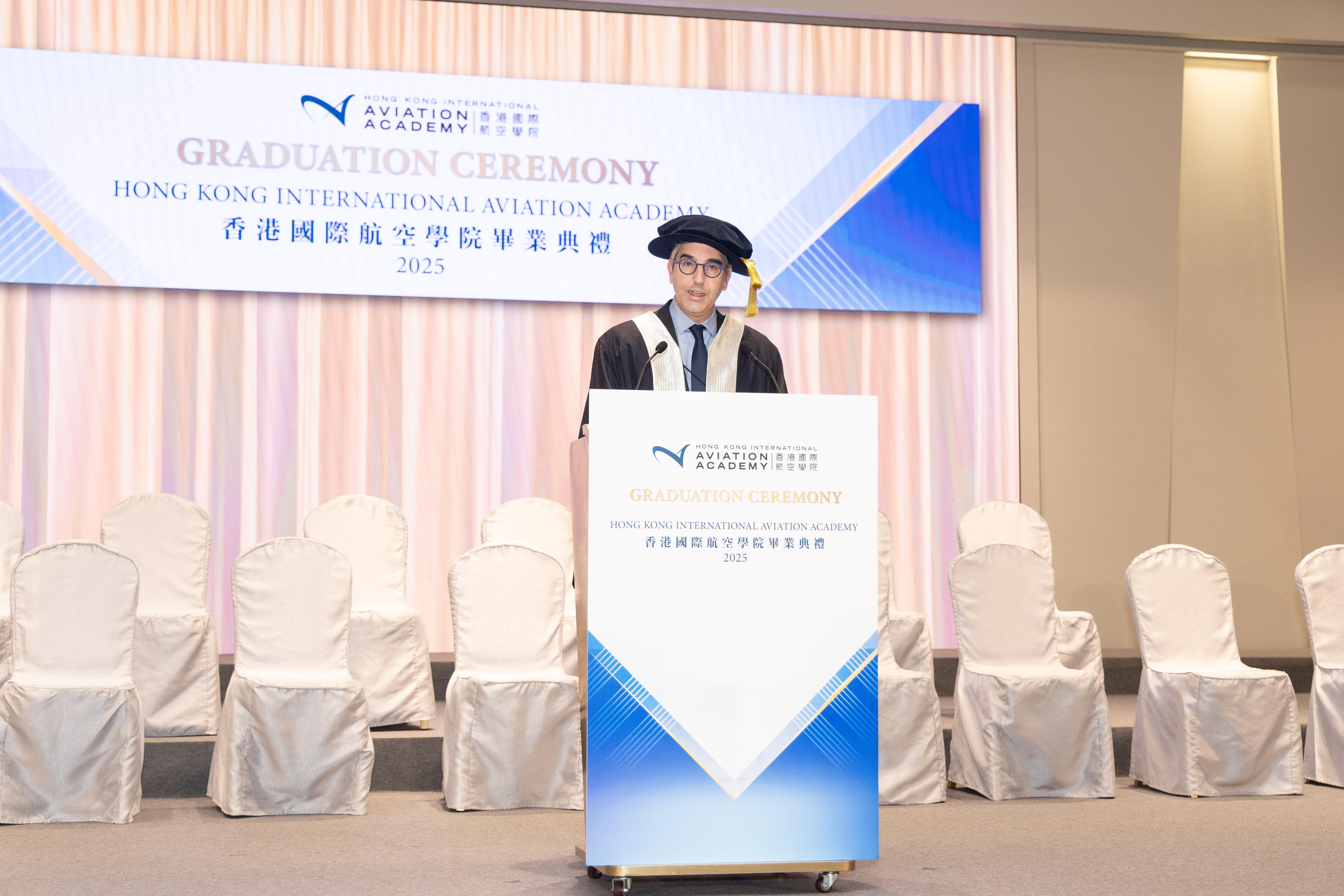
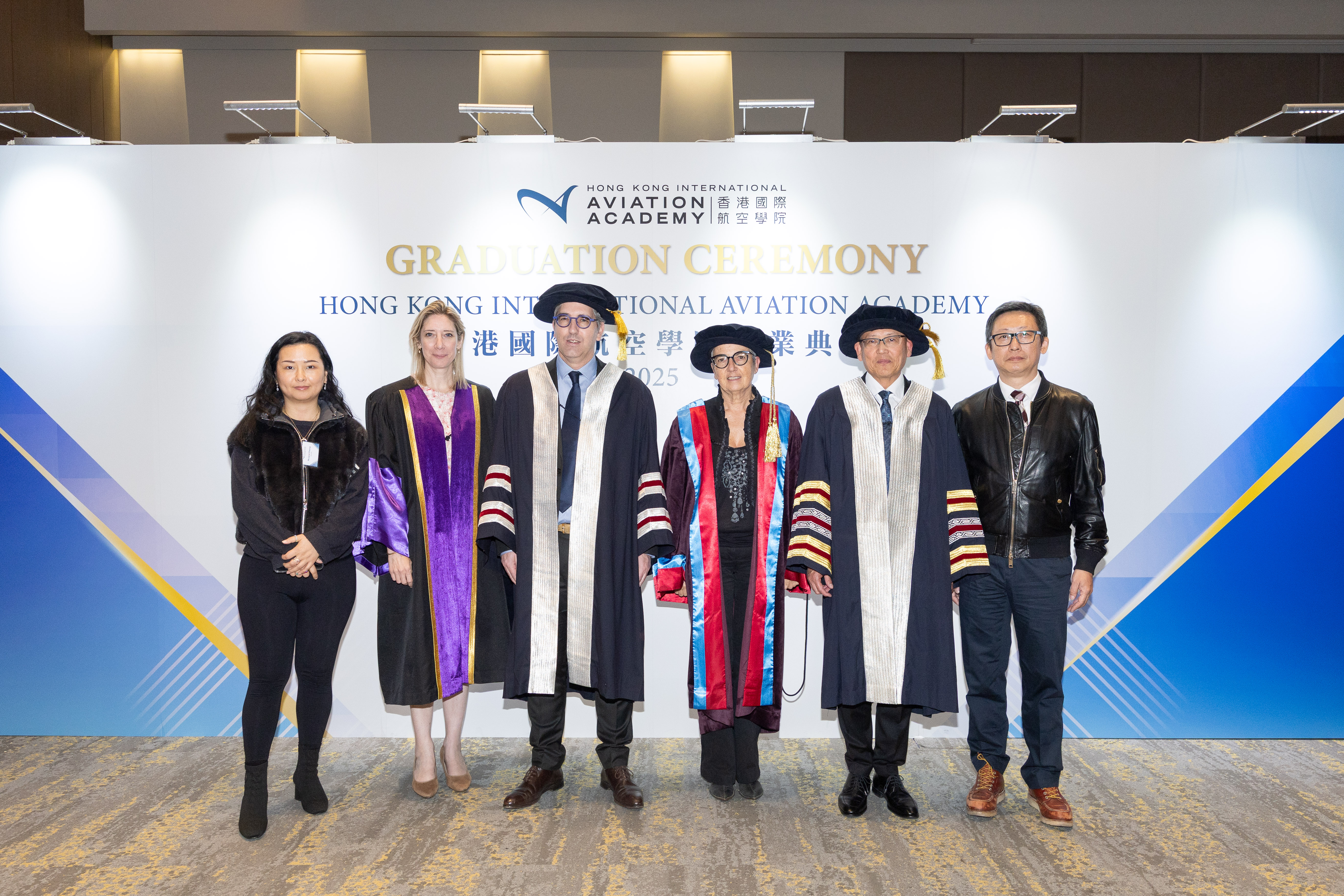
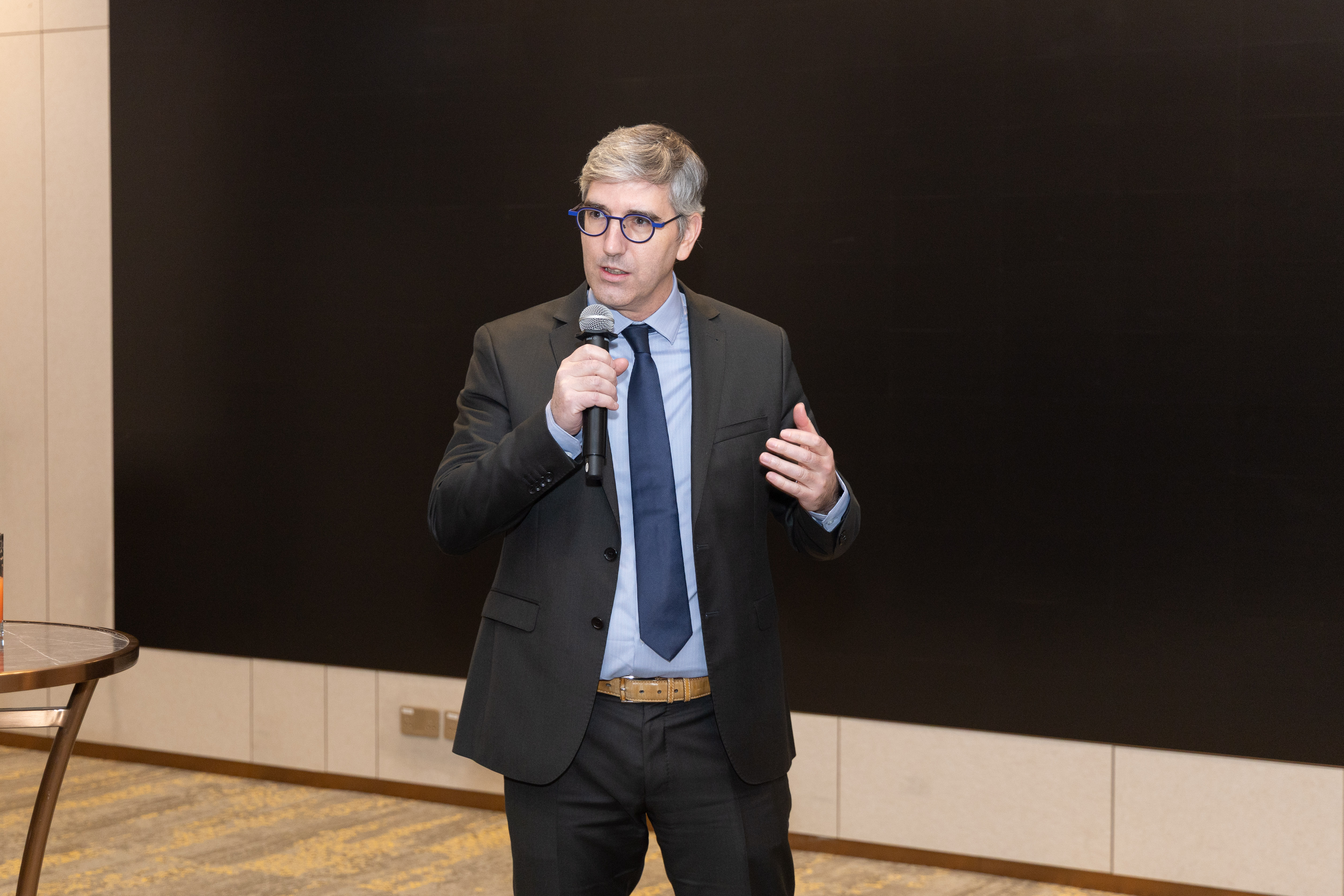
Vice President of Ecole Nationale de l’Aviation Civile (ENAC), Nicholas Cazalis shares his thoughts on the learning journey and how it is a lifelong career.
In a recent conversation with Hong Kong International Aviation Academy (HKIAA), Nicolas Cazalis, Vice President of Ecole Nationale de l’Aviation Civile (ENAC), reflected on what has kept him fascinated throughout his career: aviation’s ability to evolve. He indicates an arc familiar to professionals. Early priorities centred on safety - building systems, standards, and cultures capable of supporting reliable flight at scale. As aviation expanded, the challenge became generalisation: making air travel accessible, operationally robust, and globally connected. Today, the industry's defining test is sustainability; an urgent, complex transformation that touches technology, operations, policy, and talent.
These shifts are not abstract. They reshape what airlines, airports, regulators, manufacturers, and service providers must do, and what aviation professionals must know. Cazalis argues that facing such change requires more than experience alone. It requires continuous learning and a tight loop between academia and industry.
Why aviation needs both the operational world and the academic lens
Cazalis spent years in operational environments before moving into education, and he sees the value of both worlds. Operations teach reality: the constraints, the risks, the trade-offs, and the day-to-day decisions that keep systems functioning. Academia, on the other hand, creates the conditions to step back, analysing practice critically and to understand longer-term shifts before they fully surface in the field.
The real power comes from “return trips” between the two. Universities must design programmes that fit industry needs, and industry benefits when academic institutions bring long-term thinking, research, and structured frameworks into professional practice. In a sector as regulated and interconnected as aviation, that exchange is not optional, it is foundational.
Building global capability through partnerships
Cazalis emphasises that ENAC's international partnerships are central to its mission. The goal is not only recognition, but impact: delivering high-quality training around the world that improves aviation’s safety, efficiency, and sustainability.
That context makes ENAC’s partnership with HKIAA especially meaningful. Hong Kong’s role as a major regional hub aligns with ENAC’s global outlook, bringing professionals from diverse backgrounds into the same learning ecosystem. In Cazalis’ words, aviation is international “by nature,” and it has a unique power to bring people and cultures together. This partnership is a concrete example of that idea—turning international connectivity into shared capability.
Two programmes, one purpose: preparing professionals for what is next
Within the ENAC and HKIAA collaboration, Cazalis highlights two key offerings.
The first is the Advanced Master in Air Transport Management, a programme ENAC has delivered with HKIAA since 2017. Its value lies in breadth: it gives participants a high-level overview of the aviation sector, helping them understand how the system fits together: commercial realities, operational considerations, and the broader ecosystem that shapes decision-making.
The second laser-focused on one of aviation’s most critical imperatives: safety. The Advanced Master in Aviation Safety Management was added in 2025 to HKIAA’s offerings. This programme is intended for professionals who are currently working, or plan to work, in safety management positions within the aviation industry.
This matters because safety management is no longer an "extra." Cazalis points to ICAO’s requirement for operators—airlines, airports, authorities, and others—to implement Safety Management Systems (SMS). When SMS becomes mandatory, expertise becomes essential. Organisations need designated specialists who can build, implement, maintain, and continuously improve those systems in real operational contexts.
What makes the Aviation Safety Management programme distinctive
Cazalis describes two major strengths of the safety management programme.
First, it is intentionally operational and practical. Participants work through tutorials and case studies so that, upon graduation, they can apply what they have learned immediately, applying or managing an SMS inside the organisations where they work.
Second, the programme aims to build a holistic understanding of aviation safety across the entire ecosystem: airports, airlines, authorities, maintenance, and manufacturers. That “system-of-systems” view is crucial because safety rarely fails in one isolated place. It is shaped by interfaces between teams, organisations, technologies, procedures, and cultures. An integrated approach, Cazalis argues, is needed to elevate safety across aviation.
He adds that the Advanced Master in Aviation Safety Management has been acknowledged by ICAO, which is a significant indicator for aviation professionals seeking internationally recognized training and credibility.
Graduation is not the finish line, it is the launch
Beyond programmes and policy, Cazalis offers a message that resonates across all careers, but especially in aviation: a degree is not the destination. It is an entry point into a sector that rewards curiosity, commitment, and continuous improvement.
Aviation evolves quickly. Technologies change, standards develop, and new risks emerge. That is why continuing education is not a luxury; it is part of professional responsibility. Programmes like these not only update technical knowledge, they create networks, broaden perspectives, and help professionals stay aligned with new concepts and challenges.
The takeaway is clear: your learning journey does not end when you receive your degree. In aviation, learning is a lifelong career.